
Best Time to Visit Sikkim: Complete Seasonal Guide
Figuring out the best time to visit Sikkim is the single decision that shapes everything else about your trip — which passes you can reach, whether you’ll see snow-capped Kanchenjunga or a wall of cloud, and whether the road to Yumthang Valley is even open. Sikkim’s weather changes dramatically by altitude and season, and a plan that works beautifully for Gangtok in July can be a washout in North Sikkim.
This guide breaks down every season in Sikkim, month by month, so you can match your trip dates to what you actually want to do — trekking, chasing rhododendron blooms, catching snowfall, or simply enjoying clear mountain views without monsoon landslides closing the roads.
Quick Answer: Best Time to Visit Sikkim
If you only remember one thing, remember this: March to June and October to mid-December are the two best windows to visit Sikkim.
- March–June (spring into early summer): Rhododendrons in bloom, clear skies, pleasant days, roads fully open — ideal for first-timers and nature lovers.
- October–mid-December (autumn): The clearest skies of the year, crisp air, and the best mountain visibility for photography.
- Late June–September (monsoon): Avoid if possible. Heavy rain, landslide risk, and frequent road closures in North Sikkim.
- Late December–February (winter): Cold and often snowy, but magical for travelers who specifically want snow in Gangtok, Lachung, or Lachen.
Below, we’ll unpack each of these in detail, along with what to expect in specific regions like North Sikkim, Gangtok, and Nathu La.
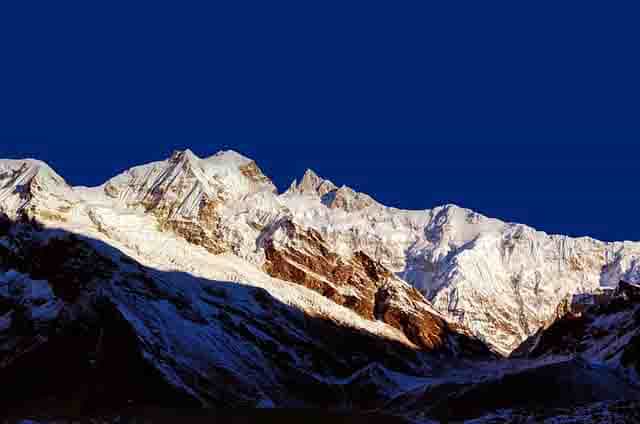
Sikkim’s Climate: Why Timing Matters So Much
Sikkim is a small state, but its elevation ranges from around 300 meters in the southern foothills to over 8,500 meters at Kanchenjunga, the world’s third-highest peak. That kind of vertical range means the weather in Gangtok (roughly 1,650 meters) can feel completely different from the weather in Lachung or Yumthang Valley (over 3,000 meters), even on the same day.
Three things drive when you should plan your trip:
- The Indian monsoon, which soaks Sikkim from June through September and triggers landslides that shut down mountain roads for hours or days at a time.
- Altitude-driven cold, which brings snow to North Sikkim as early as November and can close high passes like Nathu La or Zuluk in peak winter.
- Flowering season, when rhododendrons and other alpine flowers bloom across the Himalayan slopes, usually between March and May.
Understanding these three factors is really the whole answer to the best time to visit Sikkim — everything else is detail.
Sikkim Weather by Season
Spring in Sikkim (March to May): The Best All-Round Season
Spring is widely considered the best time to visit Sikkim for most travelers, and for good reason. Daytime temperatures in Gangtok typically sit between 12°C and 22°C, while higher regions like North Sikkim stay cooler, often 5°C to 15°C.
What makes spring special is the flowering season. Rhododendrons — Sikkim’s state tree — bloom in shades of red, pink, and white across the hillsides, and Yumthang Valley (nicknamed the “Valley of Flowers”) is at its most spectacular from late March through April. The Singba Rhododendron Sanctuary near Yumthang is one of the best places in India to see this bloom up close.
Roads are generally clear, skies are mostly blue with occasional afternoon haze, and this is peak season for a reason — expect more tourists and higher hotel prices in Gangtok, Pelling, and Lachung.
Good for: Rhododendron blooms, sightseeing, moderate trekking, family trips, first-time visitors.
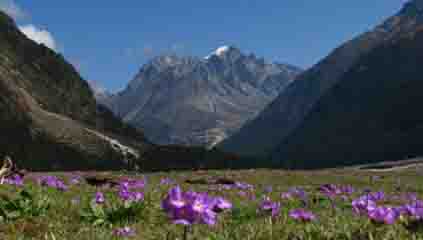
Summer in Sikkim (June): A Short Transitional Window
Early June can still be pleasant, especially in higher-altitude areas where the heat never really arrives. Gangtok stays comfortable, rarely exceeding 25°C, which makes Sikkim a popular summer escape for travelers from the Indian plains. However, by mid-to-late June, monsoon rains typically begin, so this window is short.
Good for: Escaping plains heat in early June, lighter crowds than peak spring.
Monsoon in Sikkim (June to September): The Season to Avoid
This is the toughest stretch for travel in Sikkim. Heavy, sustained rainfall causes landslides on mountain roads, and routes to North Sikkim (Lachen, Lachung, Yumthang Valley) and other high-altitude areas are frequently closed for safety. Visibility drops, waterfalls swell (which can be beautiful, but roads become unpredictable), and leeches are common on lower-altitude trekking trails.
Some travelers do visit during monsoon for lush, green landscapes and lower prices, but you should build serious flexibility into your itinerary, avoid tight day-trip schedules to North Sikkim, and check road conditions daily.
Good for: Budget travelers who don’t mind rain and can stay flexible; not recommended for trekking or North Sikkim road trips.
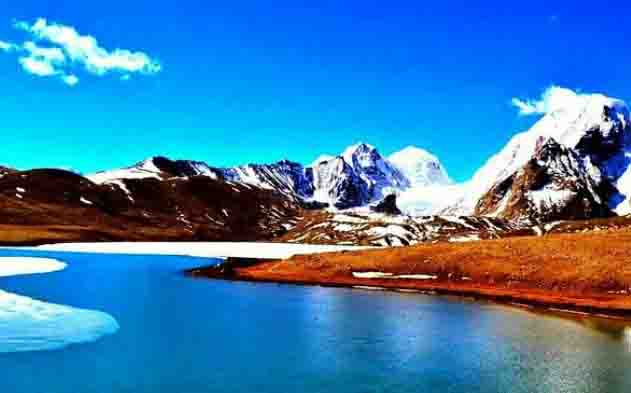
Autumn in Sikkim (October to Early December): Best for Mountain Views
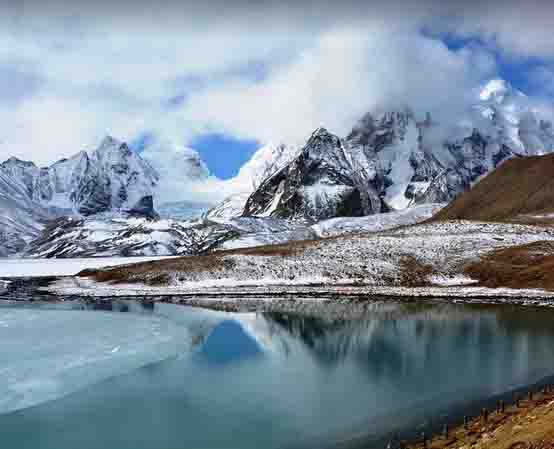
If postcard-clear views of Kanchenjunga are your priority, this is the best time to visit Sikkim. Once the monsoon clears in late September or early October, the air is washed clean, humidity drops, and visibility is at its yearly best. Days are pleasant (10°C to 20°C in Gangtok), nights turn crisp, and by late November you’ll start seeing snow dust the higher peaks.
Autumn also tends to have fewer crowds than spring, while still offering fully open roads and excellent conditions for trekking routes like the Goecha La trek, which many consider the finest time-of-year window for the trail.
Good for: Photography, clear mountain views, trekking, Nathu La and Tsomgo Lake visits, honeymoons.
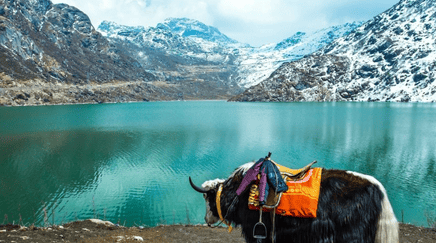
Winter in Sikkim (Late December to February): Cold, Quiet, and Sometimes Snowy
Winter transforms Sikkim into a different destination altogether. Gangtok sees daytime temperatures around 4°C to 12°C, with colder nights, while North Sikkim towns like Lachung and Lachen can drop well below freezing and regularly receive snowfall. This is genuinely the best time to visit Sikkim if seeing snow up close — rather than just distant snow-capped peaks — is your main goal.
Be aware that heavy snowfall can close high-altitude passes such as Nathu La and Zuluk, sometimes with little notice, so build a buffer day or two into any North Sikkim winter itinerary. Gangtok itself rarely sees snow, but nearby viewpoints and North Sikkim reliably do.
Good for: Snow-seekers, quieter travel, budget-conscious trips (lower season rates), Christmas and New Year getaways.
Best Time to Visit Sikkim for Specific Interests
Since “best” depends on what you’re actually going to Sikkim for, here’s a quick interest-based breakdown.
Best Time for Trekking in Sikkim
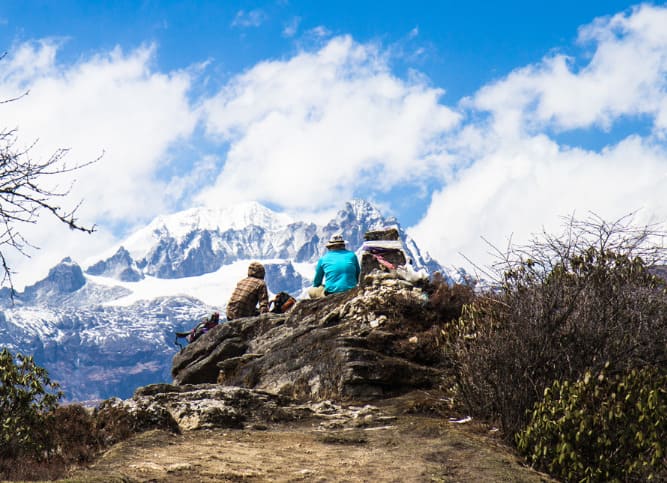
Late March to May, and October to early December are the two prime trekking windows. Trails like Goecha La, Dzongri, and Singalila Ridge are clearest and driest in these months, with April–May adding rhododendron blooms along the route and October–November offering the sharpest mountain views. Monsoon months should be avoided entirely for trekking due to slippery trails, leeches, and landslide risk.
Best Time to See Rhododendrons and Flowers
Late March through April is peak bloom season, especially in Yumthang Valley and the Singba Rhododendron Sanctuary. Some varieties bloom into early May at higher elevations, so a late-April trip often catches the widest variety in flower.
Best Time to Visit Nathu La Pass and Tsomgo Lake
Nathu La is open most of the year but closes on Mondays and Tuesdays, and can shut temporarily due to heavy snow (winter) or landslides (monsoon). October to mid-December offers the clearest views and most reliable access, while winter (December–February) can bring snow-covered scenery but a higher chance of closure. Avoid the monsoon months for this route.
Best Time to Visit North Sikkim (Lachung, Lachen, Yumthang Valley)
March to June for flowers and greenery, or October to early December for clear skies and comfortable trekking weather. If you specifically want snow at Yumthang or Zero Point, aim for late December to February, but stay flexible, as road closures are more common in deep winter.
Best Time for a Sikkim Honeymoon
October to November is a favorite for honeymooners — clear skies, comfortable weather, blooming late-season flowers at higher elevations, and slightly fewer crowds than the spring rush. Spring (March–April) is a close second if you want the rhododendron backdrop.
Month-by-Month Guide to Visiting Sikkim
| Month | Weather Summary | Recommended For |
|---|---|---|
| January | Cold, occasional snow in North Sikkim | Snow lovers, quiet travel |
| February | Cold, clearing skies toward month-end | Off-season budget trips |
| March | Mild days, rhododendrons begin blooming | Flower season, sightseeing |
| April | Peak rhododendron bloom, pleasant weather | Best overall month for first-timers |
| May | Warm days, flowers continuing at altitude | Trekking, sightseeing |
| June | Early monsoon onset by mid-to-late month | Short window before rains |
| July | Heavy monsoon rains, landslide risk | Avoid, especially North Sikkim |
| August | Continued monsoon, humid | Avoid, especially North Sikkim |
| September | Monsoon tapering off by late month | Transitional, check road status |
| October | Clear skies, crisp air, best visibility | Best time for views and photography |
| November | Cool, clear, early snow at high altitude | Trekking, Nathu La, honeymoons |
| December | Cold, snow likely in North Sikkim by mid-month | Snow-seekers, Christmas/New Year trips |
Best Time to Visit Sikkim: A Season-by-Season Summary
To recap the core answer to the best time to visit Sikkim:
- Best overall: March to June and October to mid-December
- Best for flowers: Late March to April
- Best for mountain views and photography: October to early December
- Best for snow: Late December to February (North Sikkim especially)
- Worst time to visit: July and August, at the peak of the monsoon
Tips for Planning Your Sikkim Trip Around the Seasons
- Book North Sikkim permits and hotels early during spring and autumn. These are peak months, and Lachung/Lachen accommodation fills up fast.
- Build in buffer days during winter. Snow can close roads to Nathu La, Zuluk, or Yumthang with short notice.
- Avoid tight day-trip itineraries during monsoon. If you must travel in July or August, keep your schedule flexible and check road advisories daily.
- Pack layers regardless of season. Even in summer, North Sikkim’s higher altitudes can turn cold quickly after sunset.
- Carry permits for restricted areas. Nathu La, Yumthang Valley, and other border-adjacent zones require Protected Area Permits, arranged through registered travel agents in Gangtok.
What to Pack by Season
Packing right makes a bigger difference in Sikkim than in most Indian destinations, simply because temperature swings by altitude and time of day are so extreme.
- Spring (March–May): Light layers for daytime, a fleece or light jacket for evenings, comfortable trekking shoes, sunscreen, and a light rain shell for occasional showers.
- Summer (June): Breathable clothing for lower elevations, a warm layer for North Sikkim, and a rain jacket as early monsoon showers can arrive without much warning.
- Monsoon (July–September): A proper waterproof jacket (not just an umbrella, since mountain wind makes umbrellas impractical), quick-dry clothing, waterproof footwear, and dry bags for electronics.
- Autumn (October–early December): Warm layers for morning and evening, a windproof jacket for high-altitude viewpoints like Tsomgo Lake or Nathu La, sunglasses, and lip balm for the dry air.
- Winter (late December–February): Heavy thermal layers, a down jacket, waterproof snow boots, gloves, and a woolen cap, especially if you’re heading to Lachung, Lachen, or Yumthang Valley.
Festivals and Events Worth Timing Your Trip Around
Sikkim’s calendar of festivals can be a good reason to adjust your travel dates, since several celebrations bring out local culture you won’t see at other times of year.
- Losar (Tibetan New Year): Usually falls in February or March and is celebrated with monastery ceremonies, traditional dances, and festive food across Sikkim’s Buddhist communities.
- Saga Dawa: A significant Buddhist festival, typically in May or June, marking the birth, enlightenment, and death of Buddha, with processions around Gangtok’s monasteries.
- Pang Lhabsol: A uniquely Sikkimese festival, usually in late August or September, honoring Mount Kanchenjunga as the state’s guardian deity, with masked dances performed by monks.
- International Flower Festival: Held in Gangtok, typically running from late spring through parts of summer, showcasing orchids, rhododendrons, and other Himalayan flora.
If you want to combine good weather with a cultural event, aim for Losar in late winter/early spring or Pang Lhabsol just after the monsoon eases in September.
Common Mistakes Travelers Make With Sikkim Timing
- Assuming Gangtok’s weather applies everywhere. Gangtok sits at a moderate altitude, so its comfortable spring or autumn weather doesn’t guarantee the same conditions in Lachung, Yumthang, or along high mountain passes, which can be far colder and less predictable.
- Booking North Sikkim as a rigid day trip during winter or monsoon. Both seasons carry a real risk of road closures, and a schedule with no flexibility can mean missing the trip entirely.
- Ignoring altitude when packing. Even travelers visiting in the warmer months underestimate how quickly temperatures fall after sunset at higher elevations like Yumthang Valley or along trekking routes near Goecha La.
- Skipping permits. Areas like Nathu La, Tsomgo Lake, and parts of North Sikkim require Protected Area Permits or Restricted Area Permits, which need to be arranged in advance through a registered agent in Gangtok — don’t assume you can simply drive up.
- Traveling during peak spring or autumn without pre-booking. These are the busiest months, and hotels in Gangtok, Pelling, and Lachung can sell out weeks ahead, especially around long weekends.
Frequently Asked Questions
What is the best month to visit Sikkim? April and October are generally considered the two best individual months — April for rhododendron blooms and pleasant weather, October for the clearest mountain views of the year.
Is it good to visit Sikkim in winter? Yes, if you want to see snow. December through February brings snowfall to North Sikkim and cold, clear days in Gangtok, though some high-altitude roads may close temporarily after heavy snow.
Should I visit Sikkim during the monsoon? It’s best avoided, especially for North Sikkim. Landslides and road closures between June and September make travel unpredictable, though South and East Sikkim see somewhat less disruption than the north.
When do rhododendrons bloom in Sikkim? Peak bloom is late March through April, with some higher-altitude varieties flowering into early May.
Is Nathu La open all year? Nathu La is open most of the year except Mondays and Tuesdays, but it can close temporarily due to heavy snowfall in winter or landslides during the monsoon.
How many days are enough to visit Sikkim? A well-rounded first trip covering Gangtok, North Sikkim, and one other region like Pelling or West Sikkim typically takes 6 to 8 days, though a shorter 4-day trip can cover Gangtok and Tsomgo Lake/Nathu La comfortably.
Does it snow in Gangtok? Rarely. Gangtok’s moderate altitude means it stays cold but mostly snow-free in winter, while nearby North Sikkim towns like Lachung and Lachen see regular snowfall from December through February.
Is Sikkim safe to visit during the monsoon? It can be, but travelers should stay flexible, avoid tightly scheduled North Sikkim itineraries, and monitor local road advisories, since landslides are the main risk rather than the rain itself.
Final Thoughts
There’s no single universal answer to the best time to visit Sikkim — it depends on whether you’re chasing rhododendrons, clear Himalayan views, or fresh snow. But if you want the safest bet with the widest range of open roads, good weather, and manageable crowds, late March through early June, or October through mid-December, are the windows to build your trip around. Avoid the monsoon months of July and August unless you’re specifically prepared for rain and flexible plans, and you’ll come away with the mountain views, flowers, or snowscapes you’re actually hoping to see.