
Darjeeling vs Sikkim: Which Is Better for Your Holiday?
Perched on the border of the Eastern Himalayas, two neighboring destinations vie for a place on every travel enthusiast’s wish list: Darjeeling and Sikkim. Each offers enchanting misty peaks, views of Kanchenjunga, inviting homestays, and tea served at high elevations. However, Darjeeling vs Sikkim presents a true challenge for travelers with limited vacation time and a set budget, as these two locations, only a few hours apart, provide distinctly different travel experiences.
Understanding the Darjeeling vs Sikkim difference matters most when you’re trying to make the most of a short getaway. The Darjeeling vs Sikkim debate isn’t just about which mountain view is prettier — it comes down to travel time, budget, and the kind of holiday you’re after. Some travelers settle the Darjeeling vs Sikkim question by picking one based on convenience, while others weigh Darjeeling vs Sikkim side by side against their itinerary before booking a single hotel.
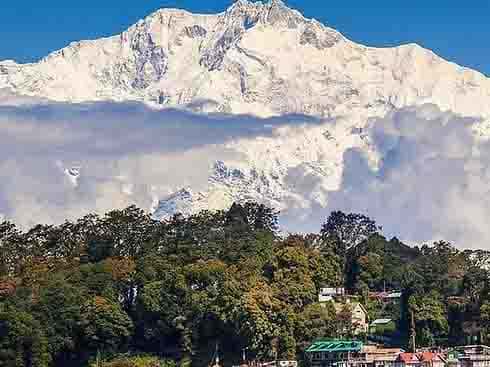
Darjeeling is a colonial-era hill station famous for its tea gardens, the toy train, and a laid-back charm you can soak up in two or three days. Sikkim is an entire state — small, but layered with river valleys, high-altitude lakes, Buddhist monasteries, and landscapes that shift from subtropical forest to alpine tundra within a single day’s drive.
This guide breaks down everything you need — weather, budget, connectivity, food, activities, and ideal trip length — so you can decide which one deserves your holiday this year, or how to plan both together.
Quick Answer: Darjeeling or Sikkim?
If you’re short on time and want a relaxed, scenic, easy-to-reach getaway, choose Darjeeling. If you have 5–7 days and want dramatic landscapes, adventure, and a deeper Himalayan experience, choose Sikkim. If you can spare a week or more, combine both — Darjeeling and Gangtok are only about 3 hours apart by road.
Darjeeling vs Sikkim at a Glance
| Factor | Darjeeling | Sikkim |
|---|---|---|
| Type of destination | Hill station (part of West Bengal) | Full Indian state |
| Ideal trip length | 2–4 days | 5–8 days |
| Nearest airport | Bagdogra (65 km) | Pakyong (near Gangtok) or Bagdogra |
| Best known for | Tea gardens, toy train, sunrise views | Lakes, monasteries, high-altitude passes |
| Altitude range | ~6,700 ft (Darjeeling town) | 400 ft to over 17,000 ft (varies by region) |
| Budget (per day, mid-range) | ₹2,500–4,000 | ₹3,000–5,500 |
| Permits required | None for Indians | None for general entry; permits needed for North Sikkim, Nathula, Tsomgo Lake |
| Adventure quotient | Moderate (short treks, nature walks) | High (trekking, river rafting, high-altitude drives) |
| Family-friendliness | Very high | High, with some restrictions at altitude |
Getting There: Connectivity and Travel Time
Both destinations share the same gateway city — Siliguri, in North Bengal — but the onward journey differs.
Darjeeling is reached by a roughly 3-hour drive from Bagdogra Airport or New Jalpaiguri (NJP) railway station, covering about 65–70 km of winding hill road. This short, manageable journey is one of Darjeeling’s biggest advantages for people on a tight schedule or traveling with elderly parents or young children.
Sikkim can be accessed two ways. The scenic route from Bagdogra to Gangtok takes 4–5 hours by road. Alternatively, Pakyong Airport, located close to Gangtok, offers direct flights from a handful of Indian cities, cutting travel time significantly — though flights here are more weather-dependent and get cancelled more often during monsoon due to cloud cover over the mountains.
If your holiday window is 3 days or fewer, the extra travel time to reach Sikkim’s interior regions (like Lachen, Lachung, or Pelling) can eat into actual sightseeing time. This is a major factor in the Darjeeling vs Sikkim decision for short breaks.
Weather and Best Time to Visit
Both regions share a similar climate pattern, but altitude differences create some variation.
Darjeeling weather:
- March to May: Pleasant days, blooming rhododendrons, clear mountain views — the best season overall.
- June to September: Monsoon; heavy rain, frequent landslides, and clouded views of Kanchenjunga. Best avoided.
- October to December: Crisp, clear skies and excellent visibility — arguably the best time for photography and toy train rides.
- January to February: Cold, occasional light snow, fewer crowds.
Sikkim weather:
- March to May: Rhododendrons in full bloom across Yumthang Valley, making this peak season for nature lovers.
- June to September: Monsoon affects South and West Sikkim more than North Sikkim, though landslides can still disrupt travel to high-altitude areas.
- October to mid-December: The clearest skies of the year, ideal for mountain views and high-altitude excursions like Tsomgo Lake and Nathula Pass.
- December to February: Snowfall in North Sikkim (Lachen, Lachung, Yumthang) draws winter travelers, though some high passes may close temporarily.
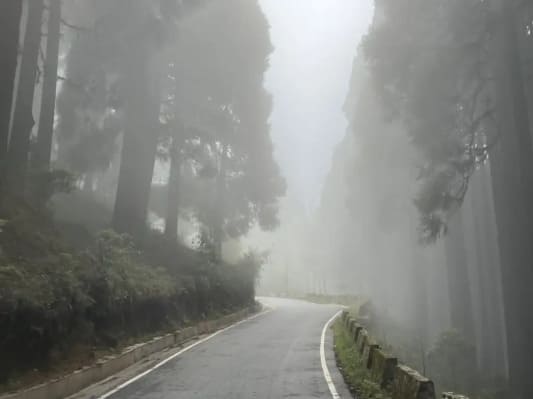
Verdict: October to mid-December is the sweet spot for both destinations. If snow is your priority, Sikkim’s northern belt has the edge; if you want a gentle, walkable hill-station climate, Darjeeling in autumn is hard to beat.
Sightseeing and Attractions
What to See in Darjeeling
Darjeeling’s appeal lies in a compact cluster of iconic sights that can be covered without exhausting travel:
- Tiger Hill — the classic pre-dawn viewpoint for sunrise over Kanchenjunga.
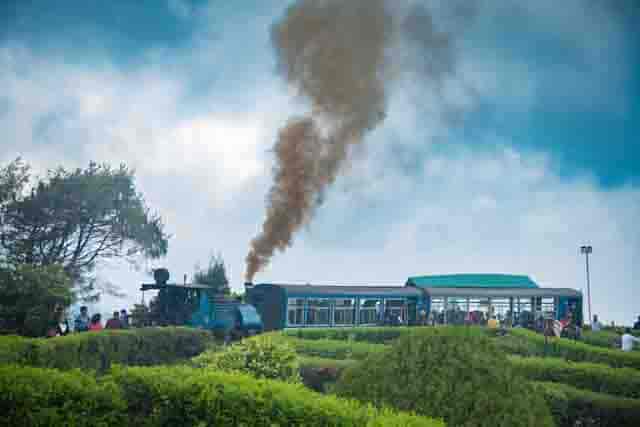
- Darjeeling Himalayan Railway — the UNESCO-listed “Toy Train,” especially the joy ride from Darjeeling to Ghum.
Show Image
- Padmaja Naidu Himalayan Zoological Park — home to red pandas and snow leopards.
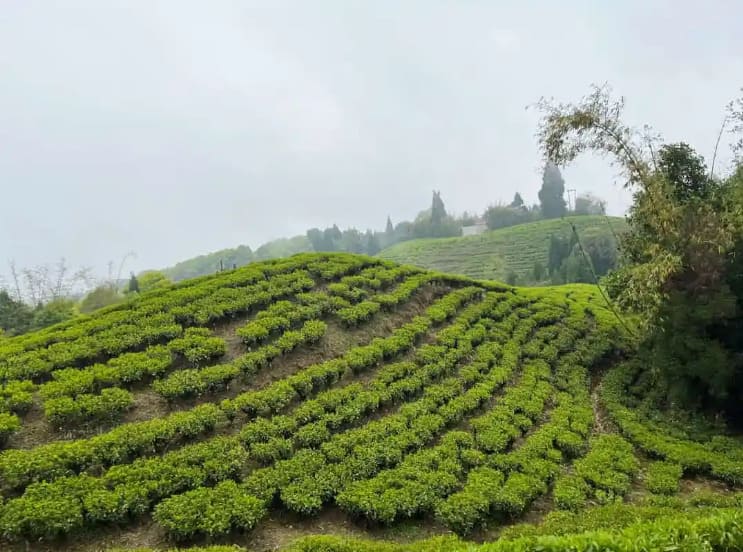
- Happy Valley Tea Estate — a working tea garden open for tours and tastings.
- Batasia Loop — a spiral railway track with a war memorial and panoramic hill views.
- Peace Pagoda and Observatory Hill — quiet spots for reflection and views.
Darjeeling rewards travelers who enjoy walking through town, browsing Chowrasta market, and sipping tea at a café rather than chasing adventure.
What to See in Sikkim
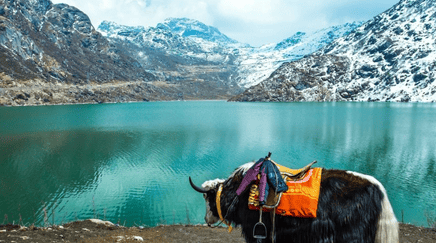
Sikkim’s attractions are spread across four districts, each with a distinct character:
- Gangtok (East Sikkim) — the capital, with MG Marg promenade, Rumtek Monastery, and the Gangtok Ropeway.
- Tsomgo Lake and Nathula Pass — a high-altitude glacial lake and the historic India-China border pass (permits required).
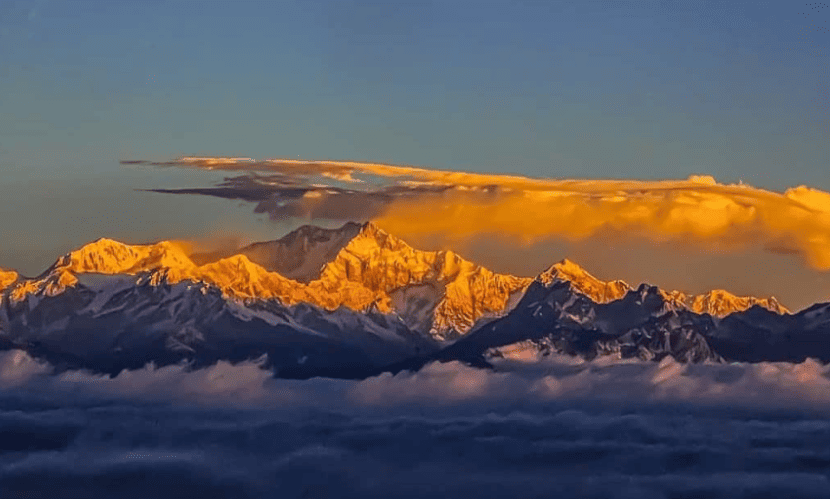
- Pelling (West Sikkim) — home to Pemayangtse Monastery, Khecheopalri Lake, and Kanchenjunga viewpoints often considered better than Darjeeling’s.
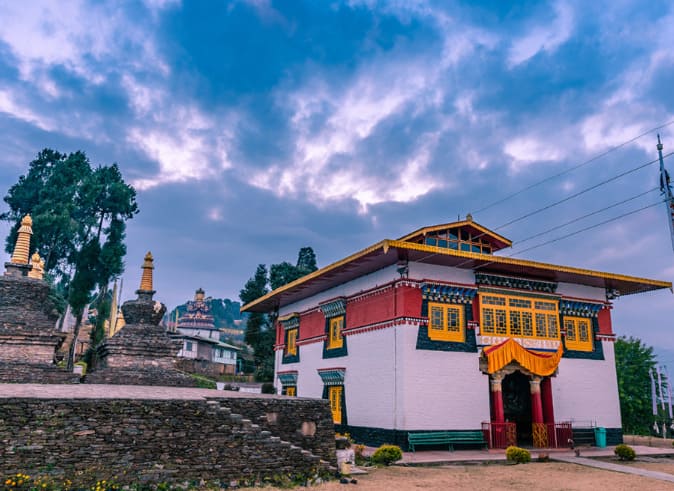
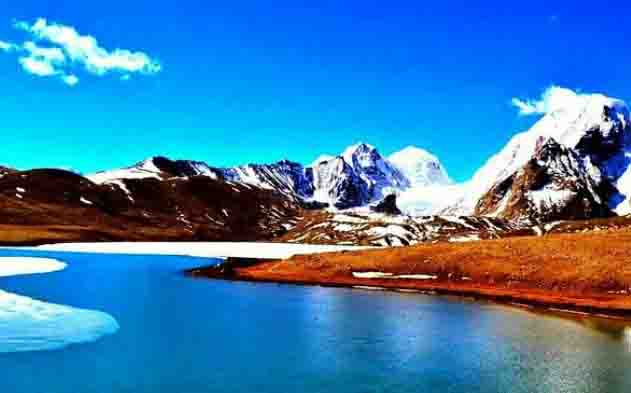
- Lachen and Lachung (North Sikkim) — gateway villages to Gurudongmar Lake and the flower-carpeted Yumthang Valley.
- Ravangla and Namchi (South Sikkim) — home to the towering Buddha Park and Char Dham replica pilgrimage site.
Because Sikkim is an entire state rather than a single town, sightseeing here typically means multiple base changes — a night in Gangtok, a night in Pelling, a couple of nights in North Sikkim — which adds richness but also requires more time.
Adventure and Outdoor Activities
Show Image
This is where the Darjeeling vs Sikkim comparison tilts noticeably in Sikkim’s favor.
Darjeeling offers gentle activities: short nature walks through Senchal Wildlife Sanctuary, mountain biking on hill roads, and a handful of easy treks like the Singalila Ridge trail (which technically straddles both regions). It’s suited to travelers who want scenery without physical strain.
Sikkim, on the other hand, is a genuine adventure destination:
- Trekking — routes like Goecha La and Dzongri offer some of the best Kanchenjunga base-camp views in India.
- River rafting — on the Teesta and Rangit rivers near Singtam.
Show Image
- High-altitude road trips — the drive to Gurudongmar Lake (17,800 ft) is one of the highest motorable points in India.
- Mountain biking and paragliding — increasingly popular around Gangtok and Namchi.
- Yak safaris — a Yumthang Valley specialty for a taste of high-altitude life.
If your holiday goal includes trekking, rafting, or high-altitude thrills, Sikkim is the clear winner.
Food and Local Cuisine
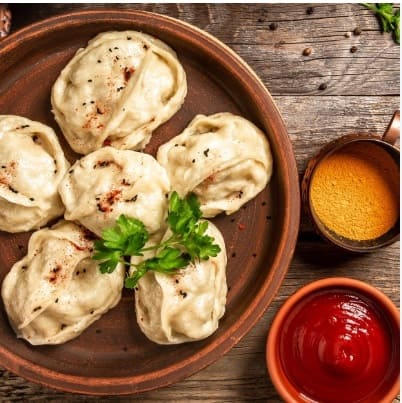
Both regions share Nepali, Bhutia, and Lepcha culinary influences, so momos, thukpa, and gundruk (fermented leafy greens) show up on menus everywhere. That said, subtle differences exist.
Darjeeling leans into its colonial-era café culture — expect bakeries serving fresh bread, cheese, and of course, world-renowned Darjeeling tea straight from the source. Tea tasting at an estate is an experience unique to this region.
Show Image
Sikkim’s food scene includes regional specialties like sael roti (a rice-flour ring bread), chhurpi (fermented yak cheese) in North Sikkim, and locally brewed tongba (fermented millet drink) served warm — a distinctive Sikkimese tradition harder to find in Darjeeling.
Neither destination disappoints food lovers, but Sikkim offers slightly more regional variety since you’re moving through different districts and altitudes.
Budget Comparison
Darjeeling is generally the more budget-friendly option for shorter trips because everything — hotels, sightseeing, food — is concentrated in one town, keeping local transport costs low.
Approximate daily cost for two people (mid-range):
| Expense | Darjeeling | Sikkim |
|---|---|---|
| Accommodation | ₹2,000–4,000/night | ₹2,500–5,000/night |
| Local sightseeing (shared cab) | ₹1,500–2,500/day | ₹2,500–4,000/day |
| Meals | ₹800–1,500/day | ₹800–1,500/day |
| Permits (if applicable) | Not required | Free for general entry; nominal fees for restricted zones |
Sikkim’s costs rise mainly because of longer inter-district travel and the need for permitted vehicles to access restricted zones like Nathula or North Sikkim, which typically require pre-booked packages through registered agents.
Culture and Local Experience
Darjeeling carries a strong colonial imprint — Victorian architecture, church spires, and a town layout shaped by 19th-century British planters who built it as a summer retreat. Walking through Darjeeling feels like stepping into a hill station frozen in time, with a distinctly Anglo-Nepali blend of culture.
Sikkim, a former independent Buddhist kingdom that merged with India only in 1975, has a stronger monastic and tribal identity. Its monasteries (Rumtek, Pemayangtse, Tashiding) are active centers of worship, not just tourist stops, and festivals like Losar and Saga Dawa offer visitors a genuine window into Himalayan Buddhist life.
Travelers seeking colonial nostalgia and tea-garden charm will connect more with Darjeeling. Those drawn to Buddhist heritage and untouched tribal culture will find Sikkim more rewarding.
Family Travel and Accessibility
Both destinations are generally family-friendly, but there are differences worth noting.
Darjeeling’s compact geography means less time in the car and easier access to hospitals, pharmacies, and multi-cuisine restaurants — a practical advantage for families with young children or elderly members.
Sikkim is equally welcoming for families in Gangtok and Pelling, but destinations like Tsomgo Lake, Nathula, and Gurudongmar involve high altitude, which can cause discomfort for some visitors, particularly those with respiratory or cardiac conditions. If traveling with very young children or anyone with health concerns, it’s worth sticking to lower-altitude parts of Sikkim like Gangtok, Ravangla, and Namchi.
Permits and Documentation
For Indian citizens, no permit is needed to enter Sikkim itself or Darjeeling. However, Indian nationals do need a Protected Area Permit (PAP) to visit restricted zones within Sikkim such as Tsomgo Lake, Nathula Pass, Yumthang Valley, and Gurudongmar Lake — these are usually arranged easily by local travel agents or hotels as part of a package.
Foreign nationals need a Restricted Area Permit (RAP), also called an Inner Line Permit (ILP), simply to enter Sikkim, in addition to PAPs for the border-adjacent protected areas. These permits are issued free of charge at entry checkpoints like Rangpo, or in advance through Sikkim Tourism offices in Delhi, Kolkata, and Siliguri. Darjeeling requires no such permits for any nationality.
Given that permit rules and the list of protected zones can be revised, it’s worth checking the official Sikkim Tourism website closer to your travel dates for the latest requirements.
Which One Should You Choose? Scenario-Based Recommendations
Choose Darjeeling if:
- You have only 2–4 days available.
- You’re traveling with elderly parents or very young children.
- You want a relaxed trip centered on tea gardens, walks, and mountain views.
- Budget and simplicity matter more than variety.
Choose Sikkim if:
- You have 5 days or more.
- You want trekking, rafting, or high-altitude adventure.
- You’re drawn to Buddhist monasteries and untouched Himalayan culture.
- You don’t mind longer travel days between destinations.
Combine both if:
- You have 7–10 days. A popular circuit covers Darjeeling (2–3 days) → Gangtok (2 days) → Pelling (2 days) → back to Bagdogra, letting you experience colonial charm and Himalayan adventure in a single trip.
Sample Itineraries
4-Day Darjeeling-Only Trip
- Day 1: Arrive via Bagdogra, drive to Darjeeling, evening at Chowrasta and Mall Road.
- Day 2: Sunrise at Tiger Hill, toy train joy ride, Batasia Loop, tea estate visit.
- Day 3: Zoo and Himalayan Mountaineering Institute, local monastery visits, shopping.
- Day 4: Leisure morning, departure.
6-Day Sikkim-Only Trip
- Day 1: Arrive Bagdogra/Pakyong, transfer to Gangtok.
- Day 2: Gangtok sightseeing — Rumtek Monastery, MG Marg, ropeway.
- Day 3: Day trip to Tsomgo Lake and Nathula Pass (permit required).
- Day 4: Transfer to Pelling via Ravangla, visit Buddha Park.
- Day 5: Pelling sightseeing — Pemayangtse Monastery, Khecheopalri Lake, Kanchenjunga viewpoint.
- Day 6: Return to Bagdogra/NJP for departure.
8-Day Combined Darjeeling + Sikkim Trip
- Days 1–3: Darjeeling (Tiger Hill, toy train, tea gardens).
- Days 4–5: Gangtok (Tsomgo Lake, monasteries, MG Marg).
- Days 6–7: Pelling (Kanchenjunga views, Khecheopalri Lake).
- Day 8: Return via Bagdogra.
Frequently Asked Questions
Is Darjeeling or Sikkim better for a honeymoon? Both work well, but Sikkim’s Pelling and North Sikkim regions offer more secluded, scenic resorts, while Darjeeling offers cozy heritage hotels with colonial charm. Couples wanting adventure and privacy often lean toward Sikkim; those wanting a relaxed, romantic hill-station vibe often prefer Darjeeling.
Can I visit Darjeeling and Sikkim in one trip? Yes. Darjeeling and Gangtok are about 3 hours apart by road, making a combined trip of 7–10 days very feasible, and it’s one of the most popular Eastern Himalayan travel circuits.
Which is cheaper, Darjeeling or Sikkim? Darjeeling is generally cheaper for short trips since it’s a single compact town. Sikkim’s costs rise with longer inter-district travel and permitted vehicle packages for restricted zones, but overall daily costs remain moderate compared to other Himalayan destinations.
Do I need a permit to visit Sikkim? Indian citizens don’t need a permit for general entry into Sikkim, but they do need a Protected Area Permit for restricted zones like Tsomgo Lake, Nathula, and North Sikkim. Foreign nationals need a Restricted Area Permit (Inner Line Permit) to enter Sikkim at all, plus additional permits for protected zones.
Which has better views of Kanchenjunga, Darjeeling or Sikkim? Both offer excellent views, but many travelers rate Pelling’s Kanchenjunga viewpoints in Sikkim as even more striking than Tiger Hill in Darjeeling, since Pelling sits closer to the range with fewer obstructions.
Is Sikkim safe for solo female travelers? Yes, Sikkim is widely considered one of India’s safest states for solo travelers, including women, thanks to low crime rates and a strong community-oriented culture. Darjeeling is equally safe, being a well-established tourist hub.
Final Verdict
There’s no single right answer to Darjeeling vs Sikkim — the better choice depends entirely on your holiday goals. Darjeeling wins on convenience, compactness, and colonial charm, making it ideal for short breaks and family trips. Sikkim wins on diversity, adventure, and untouched natural beauty, rewarding travelers willing to spend more days exploring.
If this is your first trip to the Eastern Himalayas and time allows, consider combining both — starting in Darjeeling’s tea gardens and ending in Sikkim’s high-altitude valleys gives you the fullest possible picture of this stunning corner of India.
– First trip to Eastern Himalayas? – Consider combining destinations: – Start in Darjeeling’s tea gardens – End in Sikkim’s high-altitude valleys – Gain a fuller picture of the region.