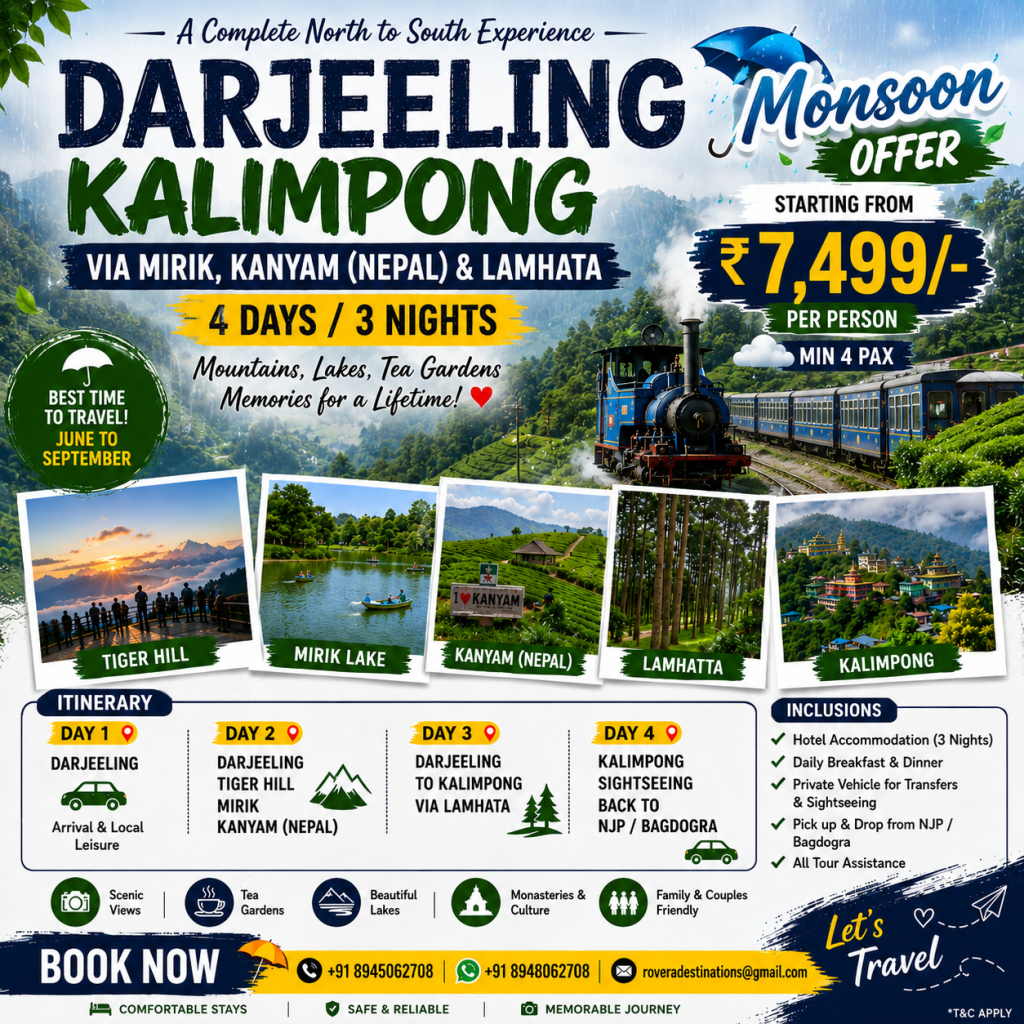
Ultimate Sikkim Travel Guide 2026: Best Places to Visit, Itinerary, Budget & Travel Tips
Introduction
Nestled in the lap of the mighty Himalayas, Sikkim is one of India’s most breathtaking travel destinations. This small yet spectacular state is known for its snow-capped mountains, crystal-clear lakes, lush valleys, colorful monasteries, rich Buddhist culture, and warm hospitality. Whether you’re planning a honeymoon, a family vacation, an adventure trip, or a solo getaway, this Sikkim Travel Guide will help you plan the perfect journey.
From the bustling streets of Gangtok to the tranquil monasteries of Pelling, from the alpine meadows of Yumthang Valley to the pristine waters of Gurudongmar Lake, Sikkim offers unforgettable experiences for every traveler. The state is also home to Mount Kanchenjunga, the world’s third-highest mountain, making it a paradise for nature lovers and photographers.
This comprehensive Sikkim Travel Guide covers everything you need to know, including the best tourist places, the ideal time to visit, transportation options, travel permits, suggested itineraries, estimated costs, local cuisine, adventure activities, and practical travel tips. Whether you have four days or ten, you’ll find valuable insights to make your Sikkim trip memorable.
About Sikkim
Sikkim is the second-smallest state in India, located in the northeastern Himalayas. It shares international borders with Nepal, Bhutan, and Tibet (China), giving it a unique blend of cultures and traditions. Despite its compact size, Sikkim is incredibly diverse, offering snow-covered mountains, dense forests, alpine lakes, waterfalls, tea gardens, and vibrant towns.
The capital city, Gangtok, serves as the gateway to most of Sikkim’s attractions. Modern cafés, bustling markets, and monasteries coexist beautifully, creating a perfect balance between urban comfort and traditional heritage.
Sikkim is divided into four districts:
- East Sikkim – Home to Gangtok, Tsomgo Lake, Nathula Pass, Baba Mandir, and Zuluk.
- North Sikkim – Famous for Lachung, Lachen, Yumthang Valley, Zero Point, and Gurudongmar Lake.
- West Sikkim – Known for Pelling, Yuksom, Kanchenjunga viewpoints, monasteries, and the Skywalk.
- South Sikkim – Features Namchi, Ravangla, Buddha Park, Char Dham, and peaceful landscapes.
One of Sikkim’s biggest achievements is being India’s first fully organic state. The state promotes sustainable tourism and eco-friendly farming, making it an excellent destination for responsible travelers.
Why Visit Sikkim?
There are countless reasons why Sikkim attracts visitors from around the world:
- Magnificent Himalayan landscapes
- Spectacular views of Mount Kanchenjunga
- Beautiful alpine lakes and waterfalls
- Ancient Buddhist monasteries
- Rich local culture and festivals
- Adventure activities like trekking, river rafting, mountain biking, and paragliding
- Safe, clean, and environmentally conscious destinations
- Delicious local cuisine featuring momos, thukpa, phagshapa, and gundruk
- Ideal for families, honeymooners, photographers, and nature enthusiasts
Whether you seek peace, adventure, or cultural experiences, Sikkim has something special to offer.
Best Time to Visit Sikkim
Sikkim is a year-round destination, but each season offers a different experience.
Spring (March to May)
Spring is widely regarded as the best season to explore Sikkim. Rhododendrons, orchids, and other Himalayan flowers bloom across the valleys, creating vibrant landscapes. Pleasant temperatures ranging from 10°C to 22°C make sightseeing, trekking, and photography especially enjoyable.
Ideal for:
- Family holidays
- Honeymoon trips
- Nature photography
- Sightseeing
- Trekking
Summer (May to June)
Summer offers clear skies and comfortable weather. It’s an excellent time to visit Tsomgo Lake, Nathula Pass, Gangtok, Pelling, and North Sikkim before the heavy monsoon arrives.
Ideal for:
- School vacations
- Family tours
- Adventure activities
- Road trips
Monsoon (July to September)
During the monsoon, Sikkim transforms into a lush green paradise with mist-covered mountains and powerful waterfalls. However, heavy rainfall can occasionally trigger landslides and road disruptions, especially in North Sikkim.
If you choose to travel during this season, keep your itinerary flexible and monitor weather updates.
Ideal for:
- Budget travelers
- Nature lovers
- Monsoon photography
Autumn (October to November)
Autumn is considered one of the finest times to visit Sikkim. The weather is cool, rainfall has subsided, and the skies are exceptionally clear. This season offers some of the best views of Mount Kanchenjunga and is perfect for sightseeing across all four districts.
Ideal for:
- Photography
- Family vacations
- Honeymooners
- Adventure trips
Winter (December to February)
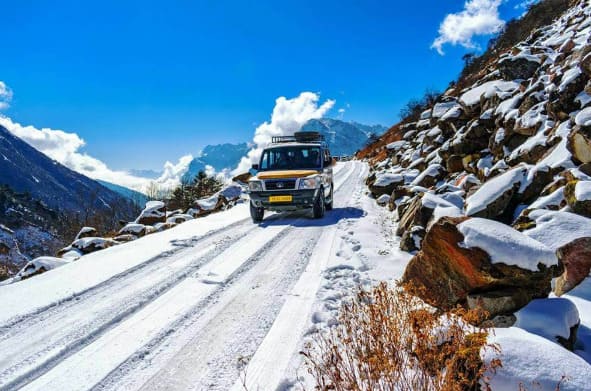
Winter brings snowfall to many higher-altitude destinations such as Lachung, Yumthang Valley, Nathula Pass, and Zuluk. Temperatures can drop below freezing in North Sikkim, offering a magical snow-covered landscape.
Ideal for:
- Snow lovers
- Couples
- Winter photography
- Holiday vacations
How to Reach Sikkim
Although Sikkim has no major railway station, reaching the state is easy through nearby airports and rail networks.
By Air
The nearest airport is Pakyong Airport, located about 30 km from Gangtok. Limited flights operate from selected Indian cities.
For greater connectivity, many travelers fly to Bagdogra Airport in West Bengal, approximately 125 km from Gangtok. Taxis and shared vehicles are readily available for the scenic drive into Sikkim.
By Train
The nearest major railway station is New Jalpaiguri (NJP) in Siliguri. NJP is well connected to major cities such as Kolkata, Delhi, Mumbai, Guwahati, Chennai, and Bengaluru.
From NJP, travelers can hire a private taxi or take a shared cab to Gangtok. The journey usually takes around 4–5 hours, depending on road conditions.
By Road
Sikkim is connected by National Highway 10 (NH-10), linking Siliguri and Gangtok. The drive follows the beautiful Teesta River and offers spectacular mountain scenery.
Private taxis, shared jeeps, and tourist vehicles are available from Siliguri, NJP Railway Station, and Bagdogra Airport.
For a comfortable and hassle-free experience, many visitors choose a guided Sikkim tour package that includes transportation, accommodation, sightseeing, and permits.
Quick Travel Facts
| Category | Details |
|---|---|
| Capital | Gangtok |
| State | Sikkim |
| Language | Nepali, English, Hindi, Bhutia, Lepcha |
| Best Time | March–June & October–December |
| Ideal Trip Duration | 5–8 Days |
| Nearest Airport | Pakyong / Bagdogra |
| Nearest Railway Station | New Jalpaiguri (NJP) |
| Famous For | Mountains, monasteries, lakes, adventure, Kanchenjunga |
Top Tourist Places in Sikkim
The heart of this Sikkim Travel Guide lies in exploring the state’s incredible destinations. From glacial lakes and snow-covered mountain passes to peaceful monasteries and charming hill towns, Sikkim offers unforgettable experiences in every corner. Here are the best places to visit in Sikkim in 2026.
1. Gangtok – The Vibrant Capital of Sikkim
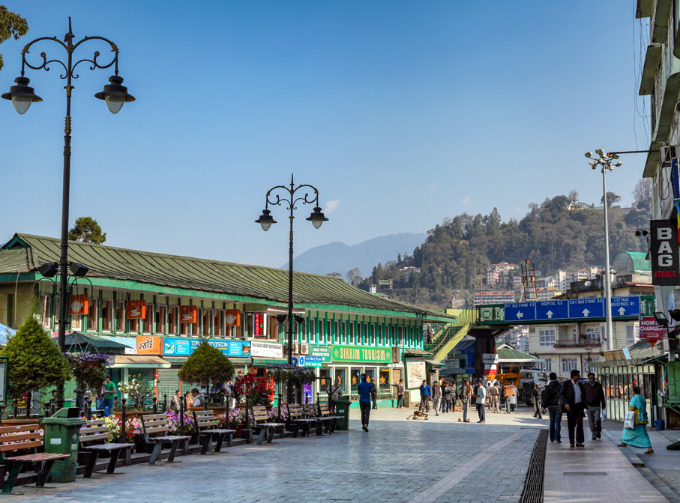
Gangtok, the capital city of Sikkim, is the perfect starting point for your journey. Located at an altitude of around 1,650 meters, Gangtok combines modern attractions with traditional Himalayan charm. The city offers stunning views of Mount Kanchenjunga, vibrant markets, monasteries, cafés, and excellent hotels.
Top Attractions in Gangtok
- MG Marg
- Rumtek Monastery
- Ganesh Tok
- Hanuman Tok
- Tashi View Point
- Banjhakri Waterfalls
- Ropeway Cable Car
- Namgyal Institute of Tibetology
- Flower Exhibition Centre
Things to Do
- Enjoy a relaxing evening walk on MG Marg.
- Shop for handicrafts, woolen clothes, and souvenirs.
- Taste authentic Sikkimese cuisine.
- Visit Buddhist monasteries.
- Experience the Gangtok Ropeway.
Best Time to Visit: March–June & October–December
2. Tsomgo Lake – A Stunning High-Altitude Lake
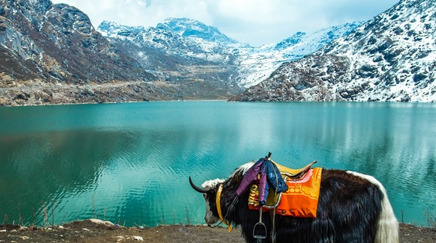
Located approximately 38 km from Gangtok at an altitude of 12,310 feet, Tsomgo Lake (Changu Lake) is one of Sikkim’s most famous tourist attractions. Surrounded by snow-covered mountains, the lake changes its colors with the seasons and remains partially frozen during winter.
During spring, colorful rhododendrons bloom around the lake, making it a paradise for photographers.
Highlights
- Snowfall during winter
- Yak rides
- Scenic mountain views
- Photography
- Local souvenir shops
Travel Tip: Warm clothing is essential, even during summer.
3. Nathula Pass – India’s Historic Border Pass
Nathula Pass is one of the highest motorable roads in the world, situated at an altitude of approximately 14,140 feet. Once part of the historic Silk Route, it now serves as an important border crossing between India and China.
Visitors can witness Indian Army posts and breathtaking Himalayan landscapes.
Highlights
- Indo-China Border
- Snow-covered roads
- Panoramic mountain views
- Historic Silk Route
Permit Required: Yes
Closed On: Monday and Tuesday (subject to government regulations).
4. Baba Harbhajan Singh Mandir
Located close to Nathula Pass, Baba Mandir is dedicated to the legendary Indian Army soldier Harbhajan Singh. According to local belief, Baba still protects soldiers stationed in the region.
Thousands of visitors come every year to pay their respects and learn about this fascinating legend.
5. Lachung – Gateway to North Sikkim
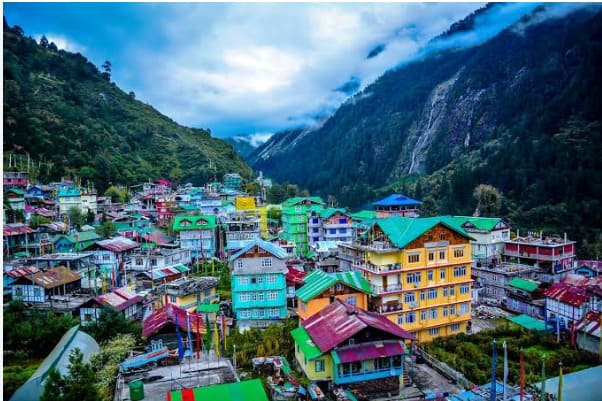
Lachung is a beautiful mountain village located at an altitude of about 9,600 feet. Surrounded by waterfalls, rivers, apple orchards, and snow-capped peaks, it serves as the base for visiting Yumthang Valley and Zero Point.
The peaceful atmosphere and breathtaking scenery make Lachung one of the most popular destinations in North Sikkim.
Attractions
- Lachung Monastery
- Apple Orchards
- Mountain Villages
- Waterfalls
- Lachung River
6. Yumthang Valley – The Valley of Flowers
Yumthang Valley is often called the “Valley of Flowers of Sikkim.” Located at approximately 11,800 feet, this alpine meadow is covered with colorful rhododendrons and rare Himalayan flowers during spring.
Snow-covered mountains surround the valley, creating one of the most spectacular landscapes in Northeast India.
Best Experiences
- Rhododendron Sanctuary
- Flower photography
- Snow views
- Nature walks
- River-side picnic
Best Season: April to June
7. Zero Point – Where Roads Meet Snow
Located beyond Yumthang Valley at an altitude of over 15,000 feet, Zero Point (Yumesamdong) is famous for year-round snow and dramatic Himalayan scenery.
The landscape becomes almost entirely white during winter, attracting travelers looking for a true snow experience.
Activities
- Snow play
- Photography
- Mountain sightseeing
- Adventure road trip
Note: Oxygen levels are lower due to the high altitude. Visitors should avoid strenuous activities.
8. Lachen – Gateway to Gurudongmar Lake
Lachen is another picturesque village in North Sikkim and the starting point for visiting Gurudongmar Lake. The village is surrounded by towering mountains, pine forests, and traditional wooden homes.
Its peaceful environment makes it a perfect overnight stop before heading to one of India’s highest lakes.
9. Gurudongmar Lake – A Himalayan Wonder
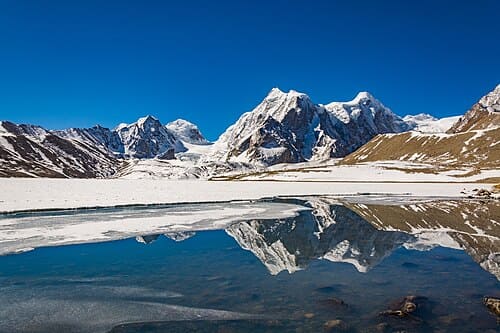
At an altitude of around 17,800 feet, Gurudongmar Lake is one of the highest lakes in the world. The crystal-clear blue waters, surrounded by snow-covered peaks, create an unforgettable sight.
According to local beliefs, a portion of the lake never freezes, even during harsh winters.
Highlights
- Crystal-clear alpine lake
- Spectacular mountain views
- Spiritual significance
- High-altitude adventure
- Incredible sunrise scenery
Permit Required: Yes
10. Pelling – The Land of Kanchenjunga Views
Pelling is one of the best places in Sikkim to witness the majestic Mount Kanchenjunga. This peaceful hill town is famous for monasteries, waterfalls, heritage sites, and adventure attractions.
Top Attractions
- Pelling Skywalk
- Chenrezig Statue
- Pemayangtse Monastery
- Rabdentse Ruins
- Khecheopalri Lake
- Kanchenjunga Waterfalls
- Rimbi Waterfalls
Activities
- Sightseeing
- Hiking
- Photography
- Monastery visits
11. Ravangla – Peaceful Himalayan Escape
Ravangla is a charming town in South Sikkim known for its peaceful atmosphere and panoramic mountain views.
Its biggest attraction is the magnificent Buddha Park, featuring a towering golden Buddha statue surrounded by landscaped gardens.
Attractions
- Buddha Park
- Ralong Monastery
- Temi Tea Garden
- Rayong Sunrise Viewpoint
12. Namchi – The Cultural Capital of South Sikkim
Namchi is famous for its religious monuments and scenic beauty. It attracts pilgrims and tourists throughout the year.
Must-Visit Attractions
- Char Dham
- Samdruptse Statue
- Namchi Rock Garden
- Sai Mandir
- Local Markets
13. Zuluk – Hidden Gem of the Silk Route
Zuluk is a small Himalayan village located on the historic Silk Route. It is famous for its thrilling zigzag roads, sunrise viewpoints, and untouched natural beauty.
The winding roads of Zuluk are among the most photographed mountain routes in India.
Highlights
- Thambi View Point
- Zigzag Roads
- Snowfall
- Sunrise Photography
- Himalayan Landscapes
14. Yuksom – The Birthplace of Sikkim’s Monarchy
Yuksom is a historic town where the first Chogyal (King) of Sikkim was crowned. Today, it is a peaceful destination rich in history and culture.
It is also the starting point for the famous Goechala Trek.
Attractions
- Norbugang Park
- Dubdi Monastery
- Coronation Throne
- Trekking Trails
15. Khecheopalri Lake – The Wish-Fulfilling Lake
Khecheopalri Lake is one of the holiest lakes in Sikkim. Surrounded by dense forests, it is revered by both Buddhists and Hindus.
A unique feature of the lake is that birds are said to keep its surface free of fallen leaves, adding to its mystical charm.
Suggested Sikkim Sightseeing by Region
| Region | Major Attractions |
|---|---|
| East Sikkim | Gangtok, Tsomgo Lake, Nathula Pass, Baba Mandir, Zuluk |
| North Sikkim | Lachung, Lachen, Yumthang Valley, Zero Point, Gurudongmar Lake |
| West Sikkim | Pelling, Yuksom, Khecheopalri Lake, Pemayangtse Monastery |
| South Sikkim | Ravangla, Namchi, Buddha Park, Temi Tea Garden |
Travel Tips for Sightseeing
- Carry valid government-issued photo ID for permit verification.
- Start early for North Sikkim excursions, as journeys are long.
- Wear layered clothing because mountain weather changes quickly.
- Stay hydrated and avoid overexertion at high altitudes.
- Hire experienced local drivers for mountain routes.
- Respect local customs and monastery rules.
- Avoid littering and help preserve Sikkim’s pristine environment.
Adventure Activities, Local Food, Culture, Shopping, Budget & Suggested Itineraries
Sikkim is much more than breathtaking mountains and picturesque lakes. This Himalayan paradise offers thrilling adventure activities, delicious local cuisine, vibrant Buddhist culture, colorful festivals, bustling markets, and memorable road trips. Whether you’re a honeymoon couple, a family traveler, or an adventure enthusiast, this Sikkim Travel Guide will help you experience the best of the state.
Best Adventure Activities in Sikkim
Adventure lovers will find plenty of exciting experiences across Sikkim’s valleys, rivers, forests, and mountain trails.
1. Trekking
Sikkim is home to some of India’s most scenic trekking routes.
Popular Treks
- Goechala Trek
- Dzongri Trek
- Green Lake Trek
- Singalila Ridge Trek
- Kanchenjunga Base Region Trek
These trails reward trekkers with panoramic Himalayan views, alpine forests, glaciers, and high-altitude lakes.
Best Season: March–May & October–November
2. River Rafting
The Teesta and Rangit Rivers are famous for white-water rafting.
Whether you’re a beginner or an experienced rafter, you’ll find routes ranging from Grade II to Grade IV rapids.
Popular Rafting Locations
- Teesta Bazaar
- Melli
- Rangpo
- Makha
3. Paragliding
Fly above Gangtok and enjoy breathtaking aerial views of the Himalayan landscape.
Paragliding operators offer short and medium-duration flights with certified instructors.
4. Mountain Biking
Mountain biking is becoming increasingly popular in Sikkim.
Popular routes include:
- Gangtok
- Ravangla
- Pelling
- Yuksom
- Zuluk Silk Route
5. Yak Safari
A yak ride near Tsomgo Lake is one of the most iconic experiences in Sikkim, especially for families and first-time visitors.
6. Camping
Camping under the Himalayan sky is an unforgettable experience.
Popular camping destinations include:
- Yumthang Valley
- Dzongri
- Yuksom
- Gurudongmar Route
- Zuluk
Famous Food of Sikkim
No Sikkim Travel Guide is complete without exploring its delicious local cuisine.
Must-Try Dishes
Momos
Steamed dumplings filled with vegetables, chicken, or pork, served with spicy chutney.
Thukpa
A comforting Tibetan noodle soup filled with fresh vegetables or meat.
Phagshapa
A traditional pork dish cooked with radish and dried chilies.
Gundruk Soup
A healthy soup made from fermented leafy vegetables, widely enjoyed in the Himalayan region.
Sel Roti
A traditional homemade rice bread commonly prepared during festivals.
Sha Phaley
A crispy Tibetan-style stuffed bread filled with vegetables or meat.
Chhurpi
A unique Himalayan cheese available in both soft and hard varieties.
Local Culture of Sikkim
Sikkim is a beautiful blend of Nepali, Bhutia, and Lepcha cultures.
The people are known for their hospitality, simplicity, and respect for nature. Buddhism plays a significant role in daily life, and colorful monasteries can be found across the state.
Prayer flags flutter on mountain passes, monks chant ancient prayers, and traditional festivals bring communities together throughout the year.
Major Festivals
If your trip coincides with these festivals, you’ll experience Sikkim’s rich traditions firsthand.
Losar
Tibetan New Year celebrated with dances, rituals, and cultural performances.
Saga Dawa
Celebrates the birth, enlightenment, and nirvana of Lord Buddha.
Pang Lhabsol
A unique festival dedicated to Mount Kanchenjunga, honoring the guardian deity of Sikkim.
Dasain
One of the biggest Nepali festivals celebrated with family gatherings and traditional rituals.
Tihar (Diwali)
Known as the Festival of Lights, featuring beautiful decorations, music, and celebrations.
Shopping in Sikkim
Shopping is one of the highlights of visiting Gangtok and nearby towns.
Best Places to Shop
- MG Marg
- Lal Market
- Directorate of Handicrafts & Handloom
- Namchi Local Market
- Pelling Market
What to Buy
- Prayer Flags
- Tibetan Carpets
- Handmade Woolen Shawls
- Organic Tea
- Temi Tea
- Handmade Paper Products
- Wooden Handicrafts
- Buddhist Artifacts
- Local Spices
- Traditional Jewelry
Budget for a Sikkim Trip
The cost of your trip depends on the season, accommodation, transportation, and travel style.
| Category | Approximate Cost (Per Person) |
|---|---|
| Budget | ₹15,000–₹22,000 |
| Standard | ₹22,000–₹35,000 |
| Deluxe | ₹35,000–₹55,000 |
| Luxury | ₹55,000+ |
Estimated Daily Expenses
| Expense | Average Cost |
|---|---|
| Hotel | ₹2,000–₹8,000 |
| Meals | ₹500–₹1,500 |
| Local Transport | ₹2,000–₹5,000 |
| Sightseeing | ₹500–₹2,000 |
Tip: Booking a complete Sikkim Tour Package often provides better value by including accommodation, transportation, permits, and sightseeing.
Suggested Sikkim Itineraries
5 Days / 4 Nights
Day 1
- Arrival at Gangtok
- MG Marg
- Ropeway
- Local sightseeing
Day 2
- Tsomgo Lake
- Baba Mandir
- Nathula Pass (Optional)
Day 3
- Transfer to Pelling
- Sightseeing
Day 4
- Skywalk
- Pemayangtse Monastery
- Waterfalls
Day 5
- Departure
7 Days / 6 Nights
Day 1
Arrival in Gangtok
Day 2
Gangtok Local Sightseeing
Day 3
Tsomgo Lake • Baba Mandir • Nathula Pass
Day 4
Gangtok → Lachung
Day 5
Yumthang Valley • Zero Point
Day 6
Return to Gangtok
Day 7
Departure
10 Days / 9 Nights
Perfect for travelers who want to explore all four regions of Sikkim.
Includes:
- Gangtok
- Tsomgo Lake
- Nathula Pass
- Lachung
- Lachen
- Gurudongmar Lake
- Yumthang Valley
- Zero Point
- Pelling
- Yuksom
- Ravangla
- Namchi
Honeymoon in Sikkim
Sikkim is one of India’s most romantic honeymoon destinations.
Best Places
- Gangtok
- Pelling
- Ravangla
- Lachung
- Yumthang Valley
Romantic Experiences
- Sunrise views of Kanchenjunga
- Private mountain-view stays
- Candlelight dinners
- Scenic road trips
- Snowfall in winter
- Tea garden walks
Family Trip to Sikkim
Families love Sikkim because it is clean, safe, and full of attractions for all ages.
Recommended Places
- Gangtok
- Tsomgo Lake
- Namchi
- Ravangla
- Pelling
Children especially enjoy ropeway rides, yak rides, waterfalls, and colorful monasteries.
Essential Packing List
Before starting your journey, pack wisely.
Clothing
- Warm jackets
- Thermal wear (winter)
- Comfortable trekking shoes
- Woolen cap
- Gloves
- Raincoat (monsoon)
Essentials
- Government Photo ID
- Medicines
- Sunscreen
- Sunglasses
- Power Bank
- Camera
- Water Bottle
- Moisturizer
- Cash (remote areas may have limited digital payment options)
Responsible Tourism Tips
Help preserve Sikkim’s natural beauty by following responsible travel practices.
- Do not litter.
- Avoid single-use plastics.
- Respect monastery rules and local customs.
- Support local businesses and guides.
- Stay on designated trekking trails.
- Do not disturb wildlife.
- Carry reusable water bottles whenever possible.
Sikkim is India’s first fully organic state, and every visitor can contribute to keeping it clean and sustainable.
Travel Permits, Essential Tips, FAQs & Conclusion
Travel Permits for Sikkim
Before planning your trip, it’s important to understand the permit requirements for certain protected areas in Sikkim.
For Indian Citizens
Indian citizens can visit most parts of Sikkim without a permit. However, permits are required for some restricted areas, including:
- Nathula Pass
- Tsomgo Lake
- Baba Harbhajan Singh Mandir
- Lachung
- Lachen
- Yumthang Valley
- Zero Point
- Gurudongmar Lake
- Zuluk (Silk Route)
These permits are generally arranged by registered local travel agencies or tour operators. Visitors should carry a valid government-issued photo ID and passport-size photographs.
For Foreign Nationals
Foreign tourists require a Protected Area Permit (PAP) to visit Sikkim. Some border areas, including Nathula Pass and Gurudongmar Lake, may not be accessible to foreign nationals due to government regulations. Always verify the latest rules before traveling.
Essential Travel Tips for Sikkim
Follow these tips to enjoy a safe and memorable holiday.
Health & Altitude
- Drink plenty of water.
- Avoid alcohol before visiting high-altitude destinations.
- Spend a day acclimatizing in Gangtok before traveling to North Sikkim.
- Carry prescribed medicines and a basic first-aid kit.
- Consult a doctor if you have heart or respiratory conditions.
Weather
Mountain weather changes rapidly.
Always carry:
- Warm jackets
- Raincoat or poncho
- Waterproof shoes
- Gloves
- Woolen cap
Mobile Network
Popular networks include:
- Jio
- BSNL
- Airtel
Network coverage may be limited in remote areas such as Lachen, Lachung, Zero Point, and Gurudongmar Lake.
ATM & Payments
ATMs are available in Gangtok, Namchi, Pelling, and other major towns.
Carry sufficient cash while visiting remote destinations, as digital payments may not always be accepted.
Responsible Tourism
Help preserve Sikkim’s natural beauty.
- Avoid plastic waste.
- Respect local customs and monastery rules.
- Do not feed wildlife.
- Stay on designated trekking routes.
- Support local businesses by purchasing authentic handicrafts and local products.
Frequently Asked Questions (FAQ)
1. What is the best time to visit Sikkim?
The best time to visit Sikkim is from March to June for pleasant weather and blooming flowers, and October to December for clear Himalayan views. Winter is ideal for snowfall lovers.
2. How many days are enough for a Sikkim trip?
A 5 to 7-day itinerary is ideal for covering Gangtok, Tsomgo Lake, Nathula Pass, Pelling, and North Sikkim. A 9 to 10-day trip allows you to explore all four districts comfortably.
3. Is Sikkim safe for tourists?
Yes. Sikkim is considered one of the safest states in India. The locals are friendly, crime rates are relatively low, and the state is well-maintained for tourism.
4. Do I need a permit to visit Nathula Pass?
Yes. Nathula Pass requires a special permit issued through an authorized travel agency. The permit must be arranged in advance.
5. Can I visit North Sikkim independently?
Most travelers visit North Sikkim through registered tour operators because permits and vehicle regulations apply to destinations such as Lachung, Lachen, Yumthang Valley, Zero Point, and Gurudongmar Lake.
6. Is Sikkim suitable for honeymoon couples?
Absolutely. Sikkim offers romantic mountain resorts, scenic viewpoints, peaceful monasteries, waterfalls, tea gardens, and snow-covered landscapes, making it one of India’s top honeymoon destinations.
7. What should I pack for Sikkim?
Carry warm clothing, comfortable walking shoes, rain protection, sunglasses, sunscreen, a reusable water bottle, power bank, personal medicines, and valid identification documents.
8. Is snowfall guaranteed in Sikkim?
Snowfall depends on the season and weather conditions. Higher-altitude destinations like Nathula Pass, Yumthang Valley, Zero Point, Lachung, and Gurudongmar Lake have the best chances of snow during winter.
9. What are the famous foods of Sikkim?
Some must-try dishes include:
- Momos
- Thukpa
- Phagshapa
- Gundruk Soup
- Sha Phaley
- Sel Roti
- Chhurpi
10. Is Sikkim good for family vacations?
Yes. Sikkim is perfect for families due to its clean environment, scenic attractions, pleasant weather, and family-friendly sightseeing options.
Why Choose a Sikkim Tour Package?
Booking a professionally organized Sikkim Tour Package makes your journey more comfortable and hassle-free.
Benefits include:
- Comfortable hotel accommodation
- Private or shared transportation
- Experienced local drivers
- Permit assistance
- Guided sightseeing
- Flexible itineraries
- Emergency travel support
- Better value compared to booking everything separately
Whether you’re planning a honeymoon, a family holiday, a group tour, or a solo adventure, a customized package saves time and ensures a smoother travel experience.
Final Thoughts
Sikkim is a destination where every journey feels extraordinary. From the lively streets of Gangtok and the serene waters of Tsomgo Lake to the breathtaking heights of Nathula Pass and Gurudongmar Lake, every corner of the state offers unforgettable experiences.
Whether you’re admiring the colorful rhododendrons of Yumthang Valley, walking through centuries-old monasteries, enjoying panoramic views of Mount Kanchenjunga from Pelling, or discovering the hidden beauty of the Silk Route in Zuluk, Sikkim leaves every traveler with lifelong memories.
This Sikkim Travel Guide has covered everything you need to plan your trip—top tourist attractions, the best time to visit, transportation, permits, food, culture, shopping, budgets, itineraries, travel tips, and frequently asked questions.
If you’re looking for an unforgettable Himalayan holiday in 2026, Sikkim deserves a place at the top of your travel list.
Plan Your Dream Sikkim Holiday with Rover Destinations
Looking for a reliable travel partner?
Rover Destinations offers customized Sikkim tour packages for:
- Couples & Honeymoon Tours
- Family Holidays
- Friends & Group Tours
- Corporate Trips
- Student Groups
- Adventure Tours
- Luxury Vacations
- Budget-Friendly Packages
Our packages include comfortable stays, transportation, permits, sightseeing, and dedicated travel support to ensure a memorable experience from start to finish.
Contact Rover Destinations today and let us help you explore the breathtaking beauty of Sikkim with a tailor-made itinerary designed just for you.